A Cracked Bead of Shower Caulk, Reported in 2015 and Reported Now. What Changed for the Tenant
The same small rental repair, requested a decade ago by phone and today through a portal, produces very different records and very different move-out math.
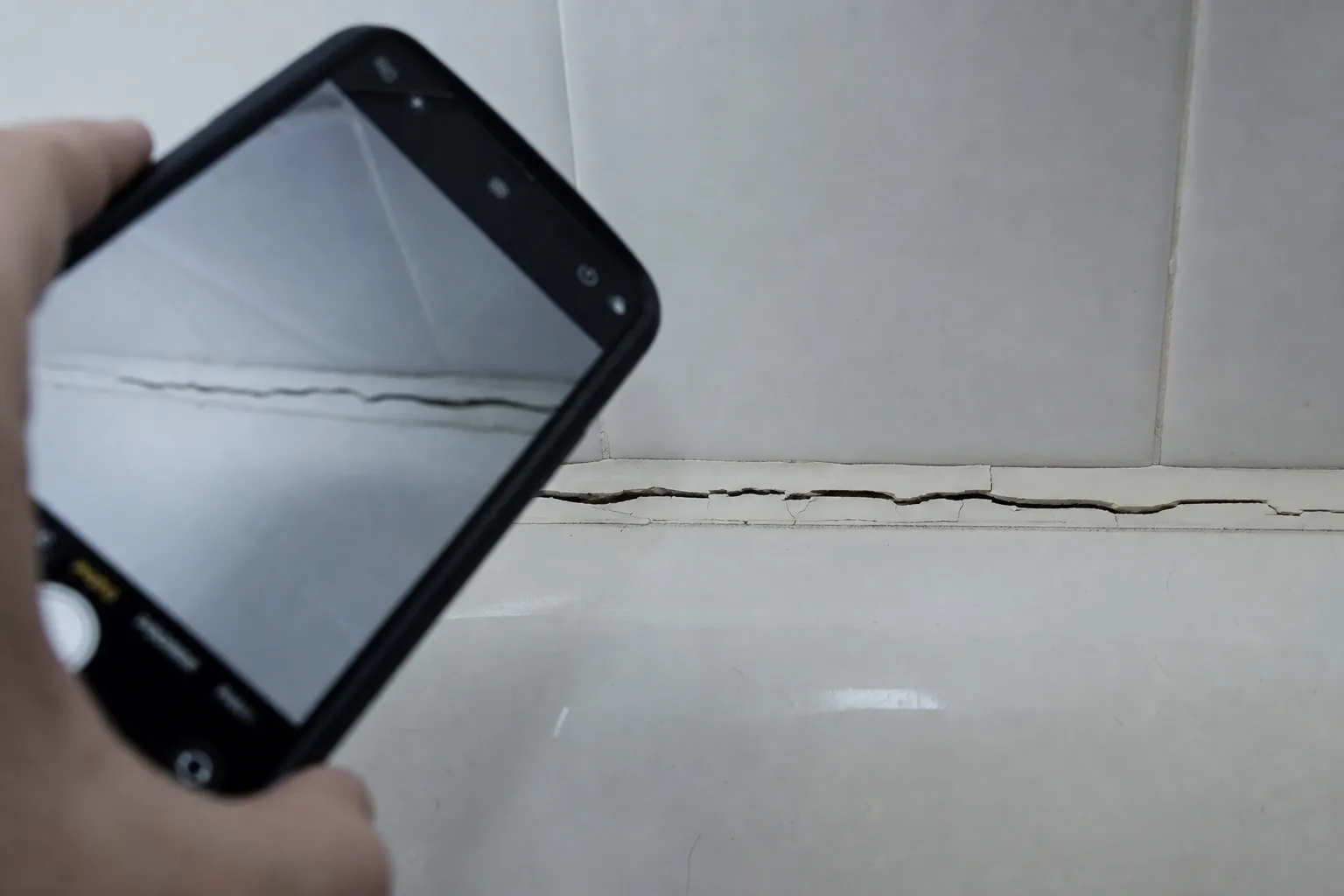
A quarter inch of failed caulk at the base of a shower surround is the cheapest repair in a rental unit and one of the most expensive things to leave alone. Water goes behind the tile, then into the wall base, then into whatever the wall base sits on. The tenant who notices it is rarely the one who pays for it, unless the record of noticing is thin. That record is the thing that has changed most in ten years, more than the materials, more than the price of a plumber, more than the lease language most renters sign without reading twice.
The 2015 version: a phone call and two different memories
A decade ago, the standard sequence was a call to the office, a promise from whoever answered, and nothing written down on the tenant's side. Maybe a work order existed in a binder. Maybe the maintenance tech wrote the date on a carbon slip and left the yellow copy on the counter. If the caulk was recaulked badly, or not at all, and the tenant called again in March, there was no way to show that the first call happened in November. At move-out, when a deduction appeared for water damage at the tub surround, the argument was one person's recollection against a company's file, and the file usually won by default.
Tenants who did well in that era were the ones who wrote follow-up letters, kept a copy, and mailed them. That was unusual behavior, and it felt adversarial in a way most people avoided with a landlord they otherwise liked. The practical result was that small neglect compounded quietly. A ten dollar tube of sealant became a delaminated vanity toe kick, then a soft spot in the subfloor, then a line item that swallowed most of a deposit. The cost did not appear when the damage happened. It appeared eighteen months later, on a single itemized page.
The current version: the ticket carries a timestamp
Most managed properties now route requests through a portal or a texting system, and that shift did something for tenants that it was probably not designed to do. The submission is dated. Photographs attach to it. The status changes are logged, and many systems email the tenant a copy of every change, which means a second archive exists outside the landlord's software. When a deduction is proposed at move-out for damage that traces back to an unaddressed request, the timeline is no longer a memory contest. It is a sequence of records that both sides received at the same moment.
The customer experience is genuinely different in a second way. Ten years ago the tenant chased. Now the tenant submits, receives an acknowledgment, and can see whether the ticket sat open for four days or forty. That visibility changes behavior on both sides: vendors get scheduled faster when the clock is visible, and tenants escalate earlier because they can point to something specific rather than complaining in general terms. The Department of Housing and Urban Development oversees federal housing programs and fair housing enforcement, and habitability standards themselves are set locally, but the evidentiary question is the same everywhere. Who knew, and when.
What the compounding actually looks like on a small item
Sealant failure is a useful example because the underlying repair barely moves in price while the consequences multiply. Removing and replacing a bead of caulk is an hour of unskilled labor and a few dollars of material. Once water has been tracking behind the surround for a season, the work involves opening the wall, drying it, and replacing whatever came apart, and the range widens enormously depending on what is behind the tile and whether anything grew. Nobody should quote you a firm number for damage they have not seen. The shape of the curve is the point: flat at the start, steep after the water finds structure.
The same curve applies to a bathroom exhaust fan that stopped pulling, a refrigerator drip pan nobody empties, a window that no longer closes tight against the sill. Each is a five minute item at the moment of first notice. Each becomes a scope of work once a second material is involved.
Who pays, and the sentence in your lease that decides it
Standard residential leases distinguish between ordinary wear and tenant-caused damage, and they almost always contain a clause requiring prompt notice of conditions needing repair. That clause cuts both ways. It obliges you to report, and once you have reported in a form that leaves a record, it shifts responsibility for what happens next onto the party who controls the repair. A tenant who submitted a photograph of hairline cracking in November and a follow-up in December is in a materially stronger position than one who mentioned it in the hallway.
Practically, that means submitting through whatever channel the lease names, even when a text to the super gets faster action, and then sending a one line summary of any verbal conversation back through the written channel. Forward the confirmation emails to a personal address. At move-out, walk the unit with a camera before you hand over keys. These steps take minutes and they are the difference between a deduction you can question and one you cannot.
The repair itself has not gotten harder. What improved is that renters now have, without asking for it, the dated record that used to require unusual diligence to create, and the small item reported today stays small on paper as well as in the wall.