Frozen Ground, Thin Comps, a Closed Records Room. What Moves a Legal Fee to Hourly
A flat legal fee is quoted against deliverables from surveyors, engineers, appraisers and county clerks, and the season decides how fast those arrive.
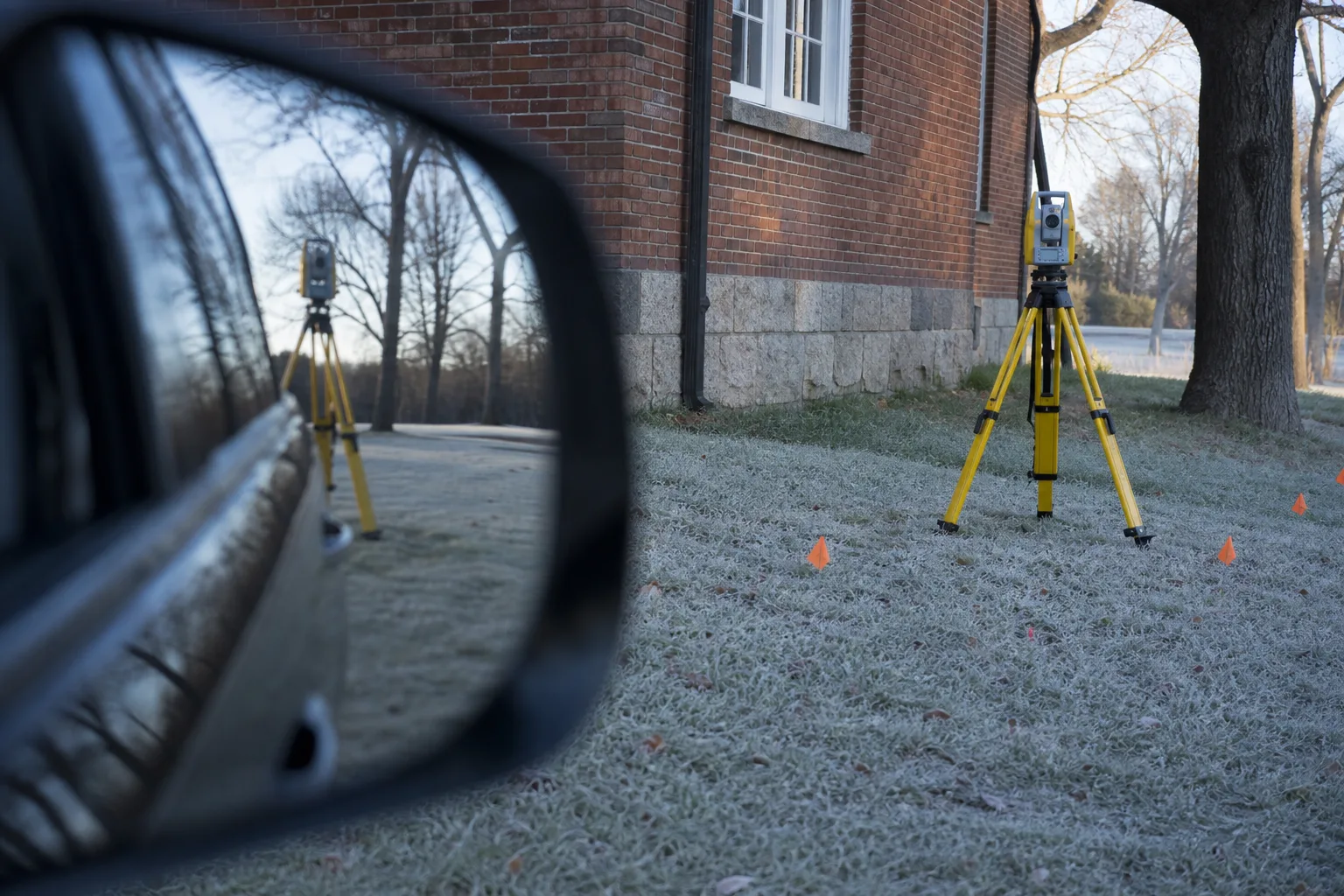
A flat fee for a boundary dispute, a permit appeal, or a probate sale of an 1890s house is almost never quoted against the attorney's own labor alone. It is quoted against a stack of documents the attorney expects other people to produce: a surveyor's plat, an engineer's letter, an appraisal, a certified copy from the county recorder, a contractor's written scope. When those arrive on time and say what they were expected to say, the flat number holds. When they arrive late, or arrive hedged, the work becomes hourly, and the household finds out in the second invoice rather than the first.
The quote is written against other people's calendars
Ask an attorney how a flat fee was built and the honest answer is usually a chain of assumptions about supply. Two hours of review assumes there is something to review. A single filing assumes the exhibit is attached and legible. Old buildings lengthen that chain, because the record is thinner and older, and the people qualified to speak to a rubble foundation or a balloon frame are fewer than the people who can inspect a 2004 subdivision house. The fee is a bet on turnaround times at four or five independent small businesses and one government office, none of which the attorney controls.
That bet has a season. Surveyors, structural engineers, appraisers, abatement contractors and county clerks all have workloads that swell and thin on predictable schedules, and the schedules do not line up with each other. A household that understands where its matter falls in those cycles can time the engagement, or at least ask for a fee structure that survives the delay. The people whose work sits next to your legal decision are, in practice, the people setting your bill.
Winter: the evidence is under snow and the ground will not take a pin
The classic winter problem for an older property is that the physical facts are inaccessible. A surveyor asked to locate a disputed line cannot set a monument in frozen ground without difficulty, and in much of the country cannot find the old iron pipe under eight inches of snow at all. A roofer or engineer asked to write a condition letter on a slate roof is not going up there in January, and an honest one will say so rather than guess. So the attorney has two options: file with a placeholder and amend later, which is billable, or wait for thaw, which pushes the matter into a different quarter.
Winter also thins the comparable sales an appraiser has to work with, which matters when the number in dispute is the value of a house rather than the location of a fence. Fewer transactions in December and January means a wider range of defensible opinions, and a wider range means the other side's appraiser is more likely to land somewhere far from yours. That gap gets closed by argument, and argument is hourly. If your matter turns on valuation, ask whether the appraisal is being ordered against a thin winter market or a full spring one.
Spring and summer: the trades are booked and the records room is not
From roughly April onward the constraint flips. County offices are open and staffed, title searches come back at normal speed, and the recorder's certified copies arrive in days. What tightens is the private side. A structural engineer who could have looked at your sagging girder in February is now scheduling six weeks out, because every buyer in the region wants a pre-purchase opinion and every contractor wants a stamped detail. Restoration masons and lead-safe certified contractors, both of whom you may need for a written estimate the attorney can attach, are booked through the good weather and will not price a job in writing for a dispute they are not going to be hired for.
Municipal calendars add a second layer. Zoning boards, historic commissions and boards of appeal often meet monthly and often skip a summer month entirely, so a filing that misses a July agenda by three days can sit until September. An attorney quoting a flat fee for a variance in May is quoting against a hearing date; the same fee quoted in July is quoting against a hearing date plus a summer of holding the file open, answering your calls, and re-reading the record before the meeting. Those are not the same product, and the better firms will say so.
Fall and the year-end squeeze on everyone at once
Autumn concentrates deadlines. Property tax appeal windows, insurance renewals, lease turnovers and the annual rush to close before the holidays all land in the same eight or ten weeks, and they land on the same title companies, appraisers and clerks. Late November and December then remove working days in a way that is easy to underestimate: county offices close, recording queues lengthen, and a document that ordinarily records in two days can take two weeks. If a settlement requires a recorded release before a specific date, that lag is not administrative trivia. It is the whole matter. The Consumer Financial Protection Bureau oversees how settlement and closing costs are disclosed to consumers in mortgage transactions, and the underlying point carries beyond mortgages: the number you were quoted means little unless you know what it was quoted against.
Fall is also, for old houses, the last honest window to inspect anything exterior. A chimney, a parapet, a party wall, a foundation drain: these get documented in October or they get documented in April. Attorneys who work regularly with older properties tend to know this and will push you to order the physical reports early, before the legal question is fully framed, precisely so the flat fee has something solid underneath it.
What to ask before you sign the engagement letter
Ask which third-party deliverables the flat fee assumes, by name, and what happens to the fee if one of them is late, incomplete, or contradicted by the other side's expert. Ask who orders each item and who pays for it, since a survey or an engineer's letter is frequently a cost you carry separately and can easily equal the legal fee itself. Ask what the fee becomes if the matter crosses a board recess or a year-end closure. A firm that answers those three questions in writing has given you a budget. One that will not has given you an opening number.
The practical move for a household is to order the physical evidence in the season it can be gathered, then bring it to the lawyer already in hand. A survey done in September, an engineer's letter written while the roof was dry, a contractor's scope priced during the off week: each of those converts an assumption in the quote into a fact, and facts are cheaper to bill against than assumptions.