Settling a Building Dispute in Winter, and Why the Same Offer Is Worth Less in March
Seasons move the value of a settlement offer without moving the deadlines that govern it, and knowing which is which decides when to take the check.
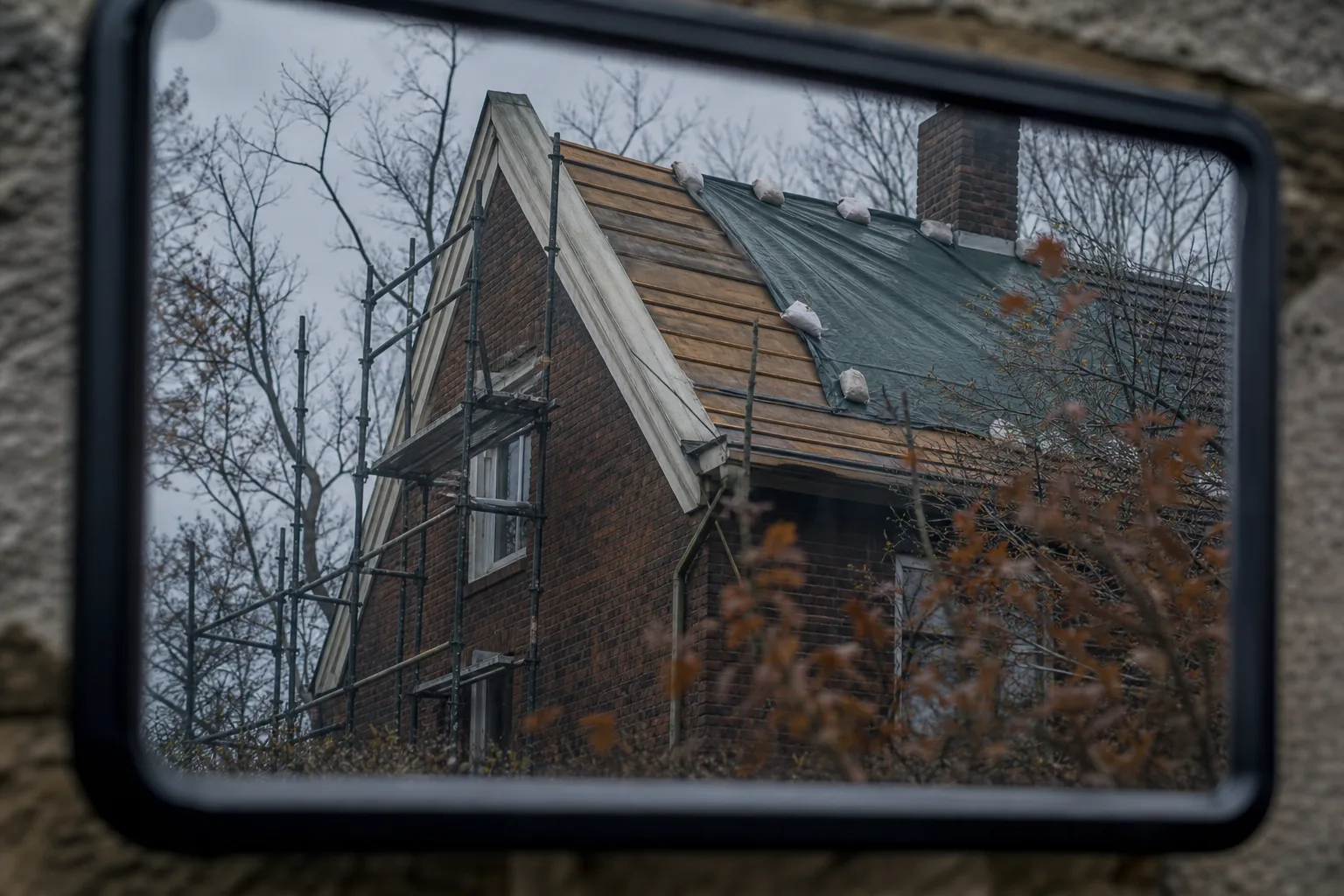
The same settlement offer is worth different amounts in October and in March, and the reason has nothing to do with mood. Between those two dates a partially finished roof takes on water, a contractor's schedule empties and refills, a claim file passes to a second adjuster, and a deadline written into a contract quietly expires. None of that changes the merits of the argument. All of it changes what the argument is worth to the person on the other side, and to you. Deciding when to settle is mostly a question of which clocks are running and how fast.
The deadlines are fixed even when the weather is not
Start by separating the dates that move from the dates that do not. Statutes of limitation for breach of contract and for property damage are set by state law, counted in years, and indifferent to whether the ground is frozen. Contractual notice provisions are shorter and less forgiving: many construction agreements require written notice of a defect or a claim within a stated number of days of discovery, and a homeowner who spends the winter negotiating informally can arrive at spring having lost the right to formalize anything. Mechanic's lien windows are shorter still. Find these dates before you evaluate any offer.
Insurance adds a second layer of fixed timing. Policies typically require prompt notice of loss, a sworn proof of loss within a set period after the insurer requests one, and suit to be filed within a contractual limitation period that is often shorter than the state's general one. Those provisions sit in the conditions section, not the coverage section, which is why people who have read their declarations page carefully still miss them. A settlement conversation that drifts past one of those dates is not a negotiation anymore. It is a request.
What a winter does to the thing you are arguing about
A dispute about workmanship on an exterior is a dispute about a building that is still standing outside. Flashing that was installed wrong in September will be tested by every freeze and thaw between then and April, and water that gets behind masonry expands when it freezes and takes the face of the brick with it. What began as a claim for corrective work becomes a claim for corrective work plus consequential damage, which is both larger and harder to prove, because the other side will argue the additional harm came from your delay rather than their error. That argument is not frivolous.
Most jurisdictions impose some version of a duty to mitigate: an injured party cannot let losses accumulate and then bill them to the party at fault. Practically, that means temporary protection is almost always worth buying while the dispute continues. Tarps, a temporary cap, a dehumidifier, a plumber's stopgap. Keep the invoices, photograph the condition on the day you took the step, and note the date. Doing so preserves the claim and, more usefully, it removes the pressure that makes a bad winter offer look reasonable in February.
The trade calendar decides who is in a hurry
Contractors are not equally motivated in every month, and the honest ones will tell you so. A roofer or a mason with an empty January is far more willing to return and correct work than the same firm in June with a booked crew and a backlog of deposits. That asymmetry is the single most reliable seasonal lever in a residential dispute, and it argues for pressing hard in late fall for a commitment to remediate in the first workable window, rather than accepting cash now and hoping to find a replacement crew when everyone else is also looking.
The reverse applies to money. A firm that wants the season's work off its books and its receivables cleared will sometimes pay to close a file in December that it would litigate in April. If what you want is a refund of a deposit or a credit against the balance, the end of a working season is often the moment that offer improves. Decide early which of the two you actually want, corrected work or money back, because you rarely have leverage for both at once.
The protections that do not change with the month
Underneath the seasonal maneuvering sits a set of rules that apply in every month equally, and they are worth knowing before you concede anything. State contractor licensing boards accept complaints and, in many states, administer recovery funds for homeowners harmed by licensed work. Home improvement contracts in most states must be written, must state a price, and must describe the work, and a contract that fails those requirements is often harder for the contractor to enforce than for you. Written change orders govern; verbal agreements about extra work are the most common thing people find they cannot prove.
There is also a cancellation right worth checking early. The Federal Trade Commission is responsible for the rule giving consumers a short window to cancel certain sales solicited at their homes, and many states layer their own, longer windows on top for home improvement contracts specifically. That window has usually closed by the time a dispute has ripened, but it is the first thing an experienced adjuster or attorney looks for, because if it is still open the entire negotiation changes shape. Look it up on the day the trouble starts, not the week you decide to fight.
Old buildings, hidden conditions, and the offer worth taking
In houses built before the middle of the last century, a meaningful share of disputes are not really about bad work at all. They are about what was found once something was opened: balloon framing with no fire blocking, knob and tube spliced into later circuits, a chimney lined with nothing, joist ends rotted where a later porch was attached without flashing. Most well-drafted contracts contain an unforeseen conditions clause allocating exactly this risk, usually to the owner, and a contractor who documented the condition before covering it is standing on solid ground. That is a case to settle, early and without rancor.
The cases worth pursuing are the narrower ones, where the condition was foreseeable to a competent tradesperson working on a house of that age, or where the work departed from the manufacturer's written installation instructions, which is the clearest and most winnable defect argument available to a homeowner. Knowing which of the two you have is the whole skill. Get one independent opinion from someone who works on buildings of the same period, in writing, before you answer the offer in front of you.
Write down, on one page, the three dates that bind you, the season in which the other side most wants this closed, and the single outcome you are actually buying. Then read the offer again. Most of the time the right answer becomes obvious, and it arrives a good deal earlier than the deadline.