Should You File That Claim? The Answer Changes at the State Line
A small property loss is a pricing decision as much as a repair decision, and the rules that govern it are written state by state.
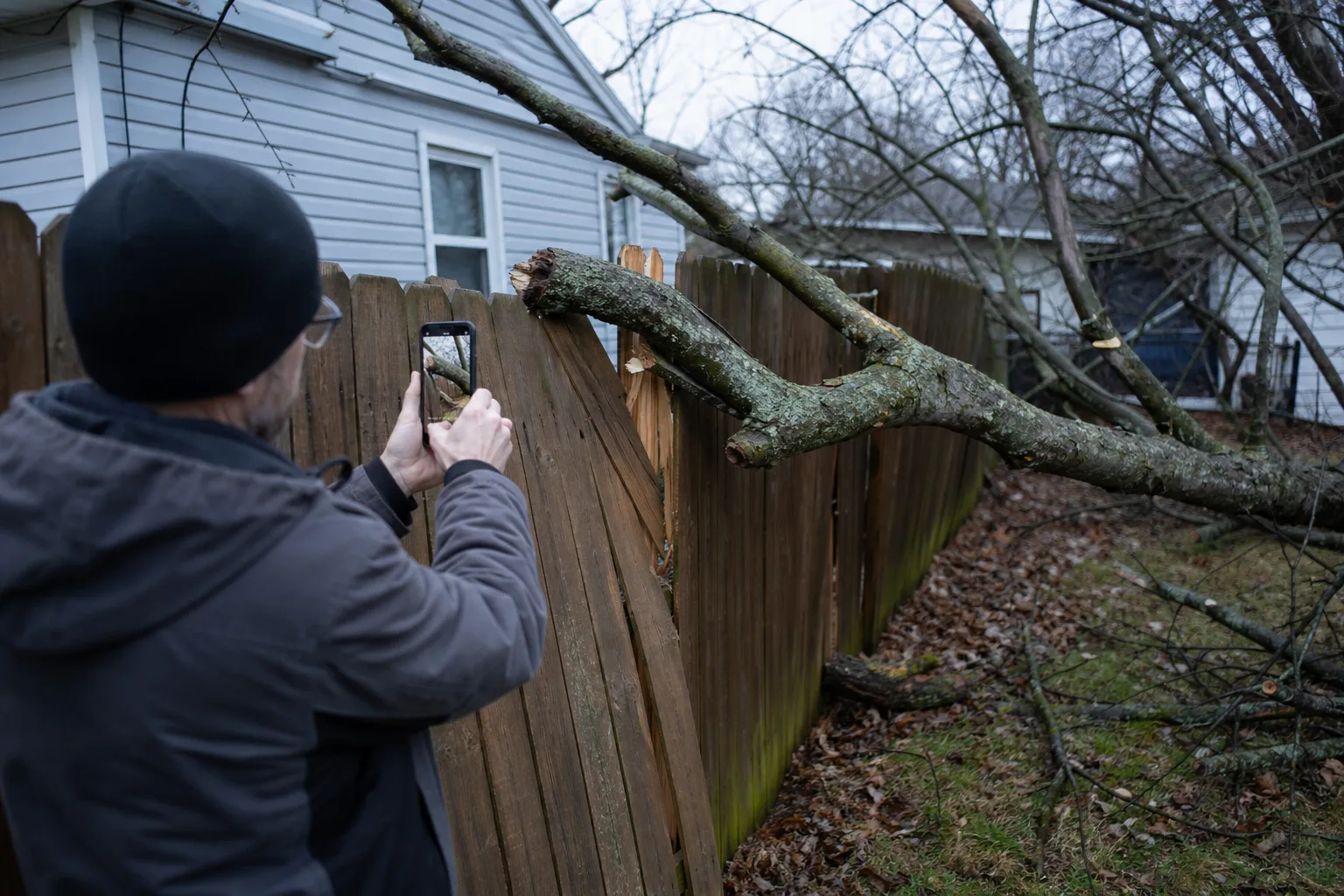
The question arrives at the worst moment, usually with a contractor standing in the yard holding a number. The fence came down, or the neighbor's maple opened a hole in the garage roof, and somebody has to decide within a day or two whether an insurer is going to be involved. Most people reach for the deductible, subtract, and file if the remainder is positive. That arithmetic is incomplete, and the part it leaves out is the part that shows up on a renewal notice eighteen months later, long after the repair is finished and forgotten.
The comparison is three to five years wide, not one repair deep
A claim decision is a comparison between one known number and a range of unknown ones. The known number is the net recovery: the repair cost minus the deductible, minus whatever depreciation the policy holds back until the work is done. The unknown numbers are what a filed claim does to the premium at the next renewal and the one after that, and whether it moves you out of a claims-free discount that you have been quietly collecting for years. Insurers generally look back several years when rating, so the honest comparison spans that whole window rather than a single bill.
You can bound the unknown side without guessing. Ask your agent two specific questions: how long a paid claim of this type stays in the rating window at this carrier, and what the claims-free or loss-free credit on your current declarations page is worth in dollars. Both answers exist in writing somewhere, and an agent who has to look them up is doing the job correctly. Multiply the credit by the number of years it disappears, add any surcharge the agent can describe, and you have a rough floor for what filing costs you over the window.
The shape of the answer is usually this. A loss that nets a few hundred dollars above the deductible is rarely worth the record it creates, a loss in the low thousands is genuinely arguable, and a loss that threatens the structure or involves anyone else's injury belongs with the insurer regardless of arithmetic. The middle band is where judgment earns its keep, and the judgment improves fast once you stop treating the deductible as the only threshold in the policy.
What follows you is the loss history, not the policy
When you shop carriers, the new insurer does not call your old one. It pulls a loss history report, a consumer report compiled from claims data that most residential carriers contribute to, keyed to both the property address and to you as a named insured. That is why a claim paid on a house you sold four years ago can surface on a quote for the house you bought last spring, and why a prior owner's water loss can shape what you are offered on a property you have never filed anything on. The report is the actual memory of the market.
Because it is a consumer report, it falls under the federal fair credit reporting framework that the Federal Trade Commission oversees, which means you are entitled to see what it says about you and to dispute entries that are wrong. Pulling your own copy before you shop is the single cheapest piece of preparation available, and it occasionally turns up a claim coded as paid that was actually withdrawn, or a water loss coded as flood. Correcting an entry takes weeks, so the time to look is before you need the quote, not during the week your renewal lands.
One nuance worth carrying: a reported claim that paid nothing still creates an entry, and in some markets a pattern of small entries reads worse than one substantial paid loss. That argues for deciding before you report rather than reporting to find out. Call your agent and describe the situation as a hypothetical, ask directly whether the conversation will be logged as a claim or an inquiry, and get the answer before you supply an address and a date of loss.
The state line changes which rules apply to you
Homeowners insurance is regulated state by state, and the protections around nonrenewal and claim-based surcharges vary more than most people expect. Several states restrict a carrier's ability to nonrenew or surcharge based on weather-related claims, on the theory that hail is not a behavior. Some limit what a single claim can do to a long-tenured policyholder, some require a minimum notice period before nonrenewal takes effect, and some treat claims filed during a declared catastrophe differently from ordinary losses. Your state's department of insurance publishes these rules, usually in plain language, on a consumer page.
That regional variation changes the practical advice in ways worth spelling out. In a coastal or wildfire-exposed market where carriers have been tightening appetite, the cost of a claim is not only the surcharge but the risk of being moved into a residual or surplus market where coverage is narrower and pricier. In a stable inland market with many competing carriers, a single claim is far easier to shop around. The same fence, the same tree, the same dollar figure, two different correct answers, decided by which department of insurance has jurisdiction over your policy.
There is also a local layer beneath the state one. Building codes and permit rules determine what a repair has to include, and a jurisdiction that requires bringing work up to current code can turn a modest repair into one that genuinely needs the ordinance or law coverage sitting in your policy. Before you decide, call the building department and ask what a permit for this scope triggers. That one call sometimes flips a borderline claim into an obvious one.
When the loss came from next door
Shared boundaries complicate the math in a useful direction. If a neighbor's tree, gutter, retaining wall or supply line caused your damage, and there is a plausible argument of negligence, your carrier can pay you and then pursue their carrier for reimbursement. That process, subrogation, matters to you for one specific reason: if it succeeds fully, many carriers will refund your deductible and treat the loss as not chargeable against your record. Ask whether your carrier does that, and ask whether a successful recovery removes the claim from your rating, because the two answers are not automatically the same.
The neighborly part comes first, and it is not sentimental. A short conversation before anyone files establishes the facts while they are fresh: when the tree was last inspected, whether anyone had complained about the leaning limb, who the neighbor's carrier is. Take photographs from both sides if you are invited to, write down the date, and send a brief, unemotional note confirming what was discussed. That note is evidence later, and it is also the thing that keeps the repair from turning into a boundary dispute that outlasts the damage by years.
Where the claim is clearly the neighbor's responsibility and the damage is modest, filing directly against their liability coverage keeps your own loss history clean entirely. It is slower, and it requires their cooperation, which is exactly why the early, calm conversation pays. Most people will give you their carrier and policy number if you ask before you have accused them of anything.
Keep a single folder for the property: declarations pages going back a few years, your loss history report, the permit rules for your jurisdiction, and a page of notes from whatever your agent told you and when. The decision is easy when the file is current, and the file takes an hour a year.